Special Animal

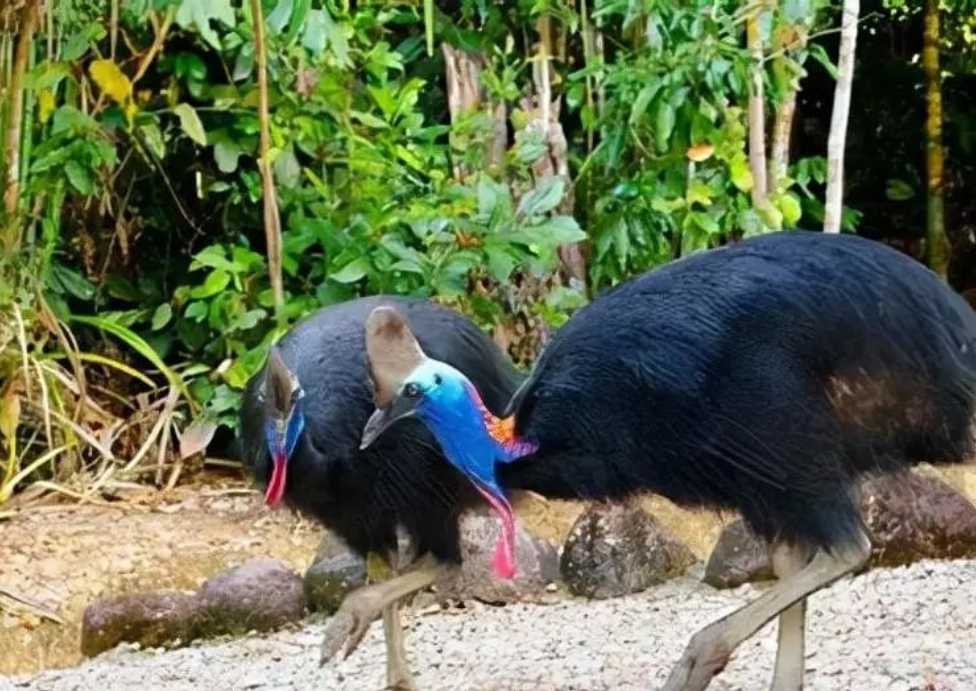
The Cassowary: Australia’s Ancient Bird with Claws That Can Slash Through Hard Objects

Native to the rainforests of Australia and New Guinea, the cassowary (Casuarius casuarius) stands as one of the world’s oldest bird species, renowned for its prehistoric appearance and formidable defensive capabilities. This flightless bird, often called the "rainforest dinosaur," has survived for millions of years, and its sharp claws have earned it a reputation as one of the most dangerous birds on the planet.

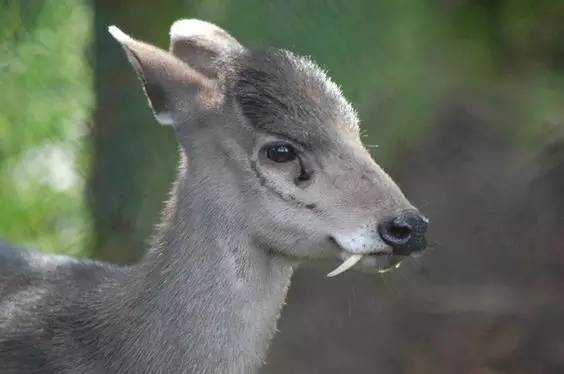
The Black Muntjac: A Rare and Elusive Deer Species with Unique Physical Traits

Native to the mountainous forests of southeastern China, the black muntjac (Muntiacus crinifrons), also known as the "black tufted deer," stands out as one of Asia’s most enigmatic deer species. Recognized for its jet-black fur, distinctive tuft of hair on the forehead, and elongated canines in males, this medium-sized ungulate has captivated biologists due to its restricted range and vulnerable status in the wild.

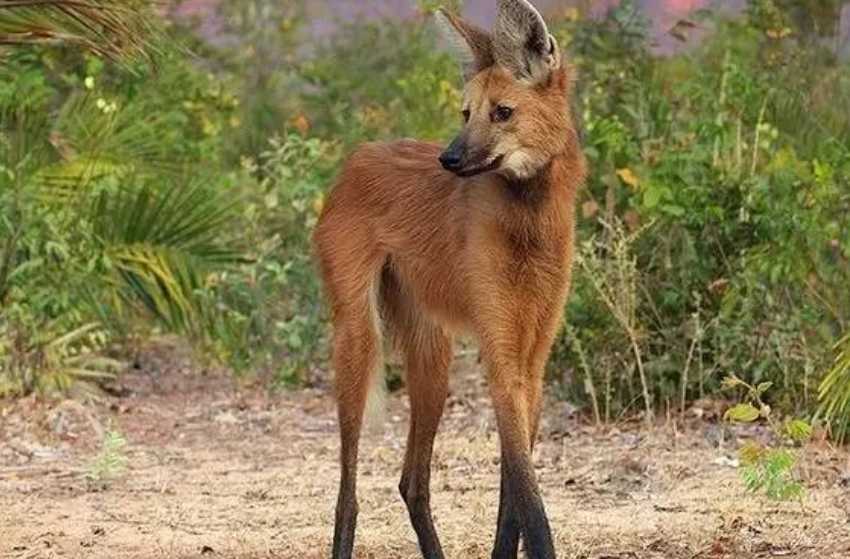
The Maned Wolf: South America’s Elegant 'Fox on Stilts' with a Mysterious Lifestyle

Native to the grasslands and savannas of Brazil, Paraguay, and Argentina, the maned wolf (Chrysocyon brachyurus) stands out as one of South America’s most unique canids. Often described as a "fox on stilts," this tall, reddish canid with a distinctive black mane along its neck and back has captivated researchers with its enigmatic behavior and evolutionary isolation.

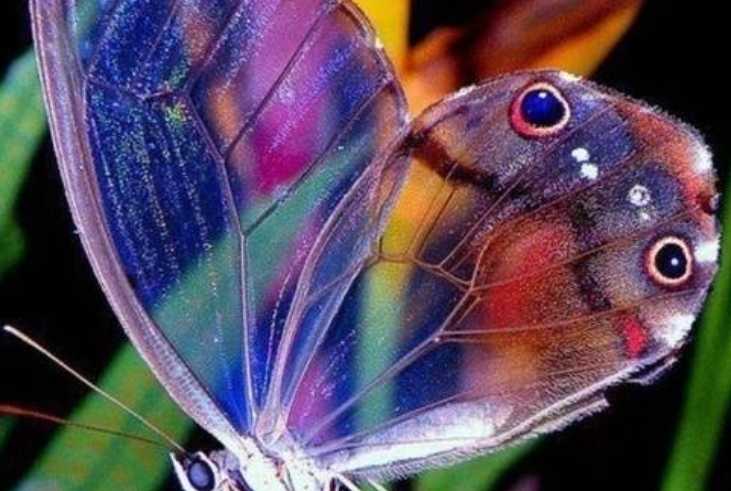
The Glasswing Butterfly: Nature’s Transparent Wonder with a Survival Strategy

Native to the tropical rainforests of Central and South America, the glasswing butterfly (Greta oto) has captivated scientists and nature enthusiasts with its most iconic feature—wings so transparent they appear nearly invisible in flight. This remarkable adaptation allows it to vanish mid-air, making it a living example of nature’s evolutionary ingenuity.

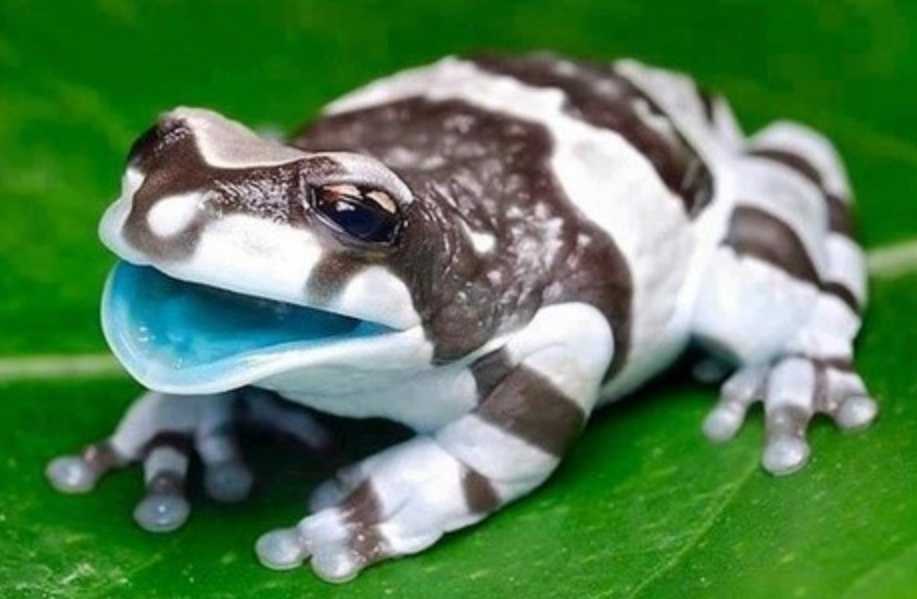
The Amazon Milk Tree Frog: Nature’s Vibrant Green Amphibian with a Milky Defense

Native to the rainforests of northern South America, the Amazon milk tree frog (Trachycephalus resinifictrix) is a striking amphibian renowned for its vivid coloration and unique defensive adaptation. Found in the canopy of tropical forests from Venezuela to Brazil, this arboreal frog has captivated herpetologists with its bold appearance and the milky-white toxin it secretes when threatened.

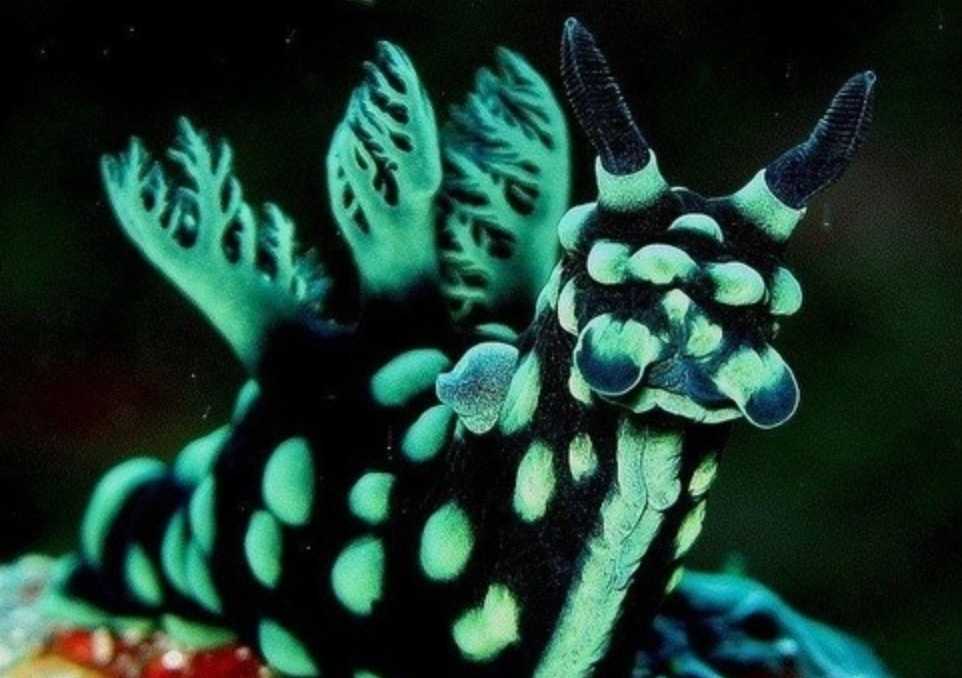
Glowing Green Sea Slug with Bioluminescent Defense Discovered in Tropical Reefs

A striking new species of sea slug, Nembrotha cristata, has been documented in the coral reefs of the Indian and western Pacific Oceans, captivating marine biologists with its vivid coloration and unique survival tactics. Measuring up to 50 millimeters, this nudibranch mollusk features a vibrant green body dotted with bioluminescent spots and a distinctive crest-like ridge along its back, earning it the nickname "crest-shaped sea slug" . Its most remarkable adaptation is the ability to store stinging cells (nematocysts) from its jellyfish prey

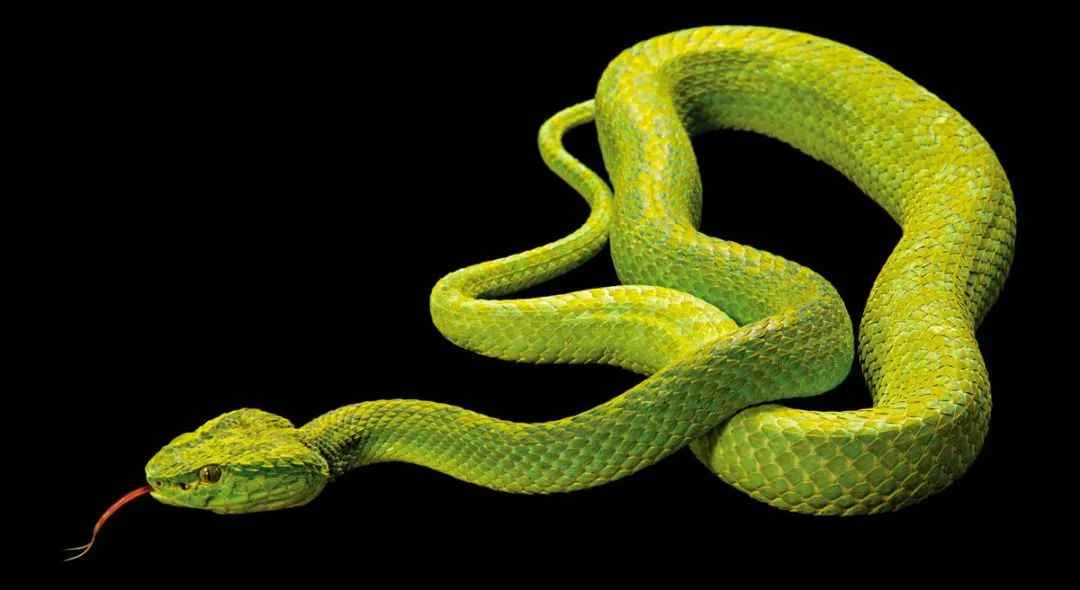
Honduran Palm Pit Viper Faces Extinction as Prey Collapses

In the lush, mist-shrouded forests of Honduras, a silent crisis is unfolding for one of the region’s most unique reptiles: the Honduran palm pit viper (Bothriechis marchi). Classified as endangered, this elusive serpent, known for its striking coloration and arboreal habits, is teetering on the brink of disappearance, its fate tightly intertwined with the catastrophic decline of its primary prey—amphibians.

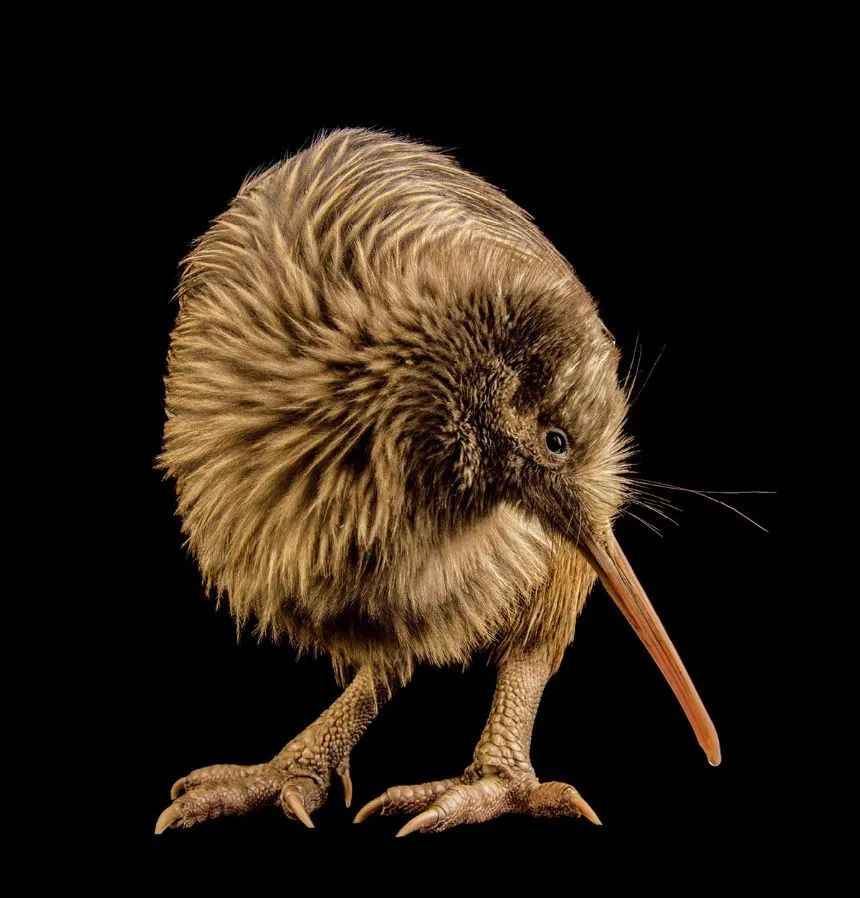
Endemic Okarito Brown Kiwis in New Zealand Face Severe Threat from Invasive Species

WELLINGTON, July 17 (Xinhua) -- The Okarito brown kiwi (Apteryx rowi), a flightless bird endemic to New Zealand, is teetering on the brink of a growing survival crisis. Classified as "Vulnerable" by the International Union for Conservation of Nature (IUCN), this unique species is grappling with relentless threats from invasive predators like stoats, which have wreaked havoc on their nests and chicks, putting the entire population at risk.

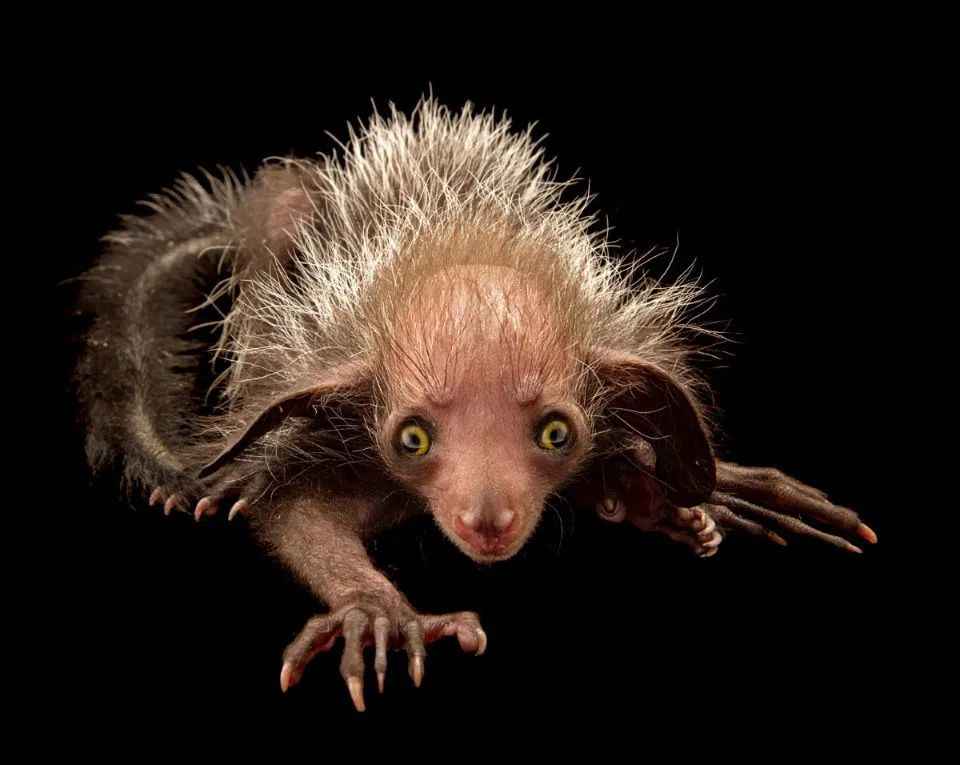
Madagascar's Aye-Aye: Endangered Creature Haunted by 'Cursed' Digit

Deep within Madagascar's rainforests resides one of Earth's most peculiar primates—the aye-aye (Daubentonia madagascariensis). A unique mammal, it boasts a remarkable adaptation: an extraordinarily slender, elongated middle finger. This specialized digit, the most dexterous part of its body, serves as a vital survival tool, acting like a precision probe to extract insect larvae from tree bark crevices or scoop out fruit pulp, perfectly suited to foraging in the complex jungle environment.

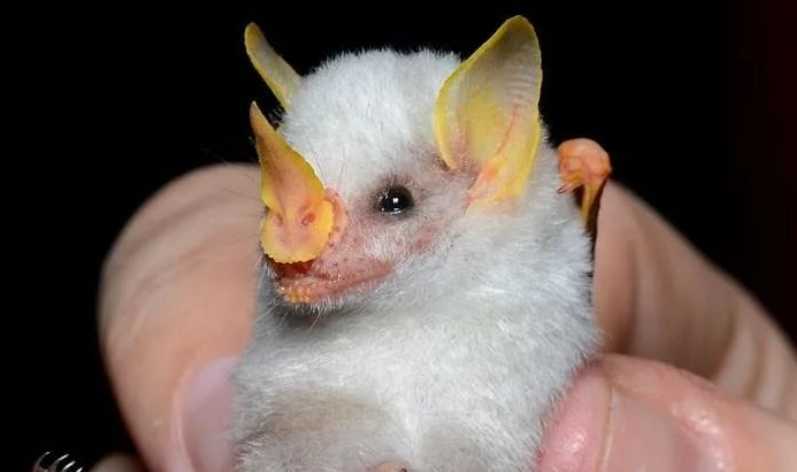
The Honduran White Bat: Nature’s Fluffy, Pastel-Colored Flying Puffball

Hailed as the world’s cutest bat, the Honduran white bat (Ectophylla alba) charms with its snowy-white fur, vibrant orange nose, ears, and wings—a whimsical color palette that defies all bat stereotypes. Native to the rainforests of Central America (Honduras, Nicaragua, Costa Rica, and Panama), this tiny chiropteran measures just 3–5 cm long, making it one of the smallest bat species on Earth. Its cottony appearance and miniature size have earned it a reputation as the "teddy bear of the bat world."