Aquatic Organism

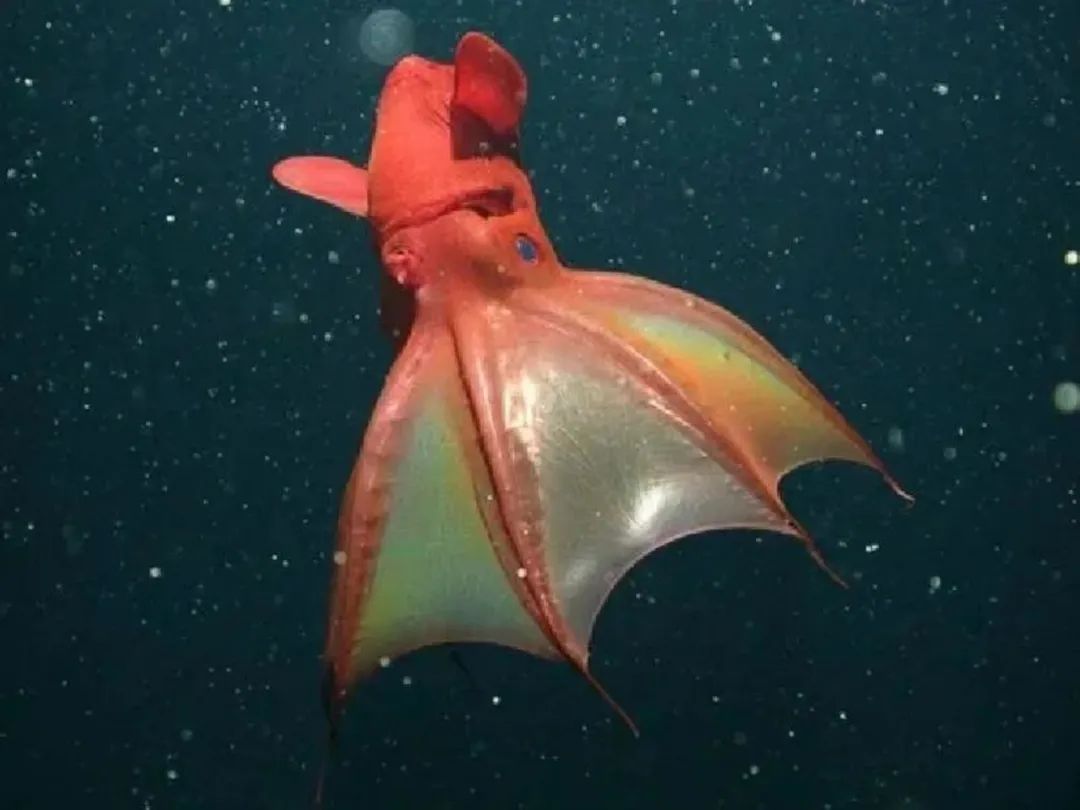
The Vampire Squid: Eerie Deep - Sea Enigmas of the Abyss

In the pitch - black, oxygen - starved depths of tropical and temperate oceans, between 600 and 4,000 meters below the surface, dwells the vampire squid, or Vampyroteuthis infernalis, a mysterious cephalopod. Measuring around 15 centimeters in length, this creature has earned its ominous moniker from its otherworldly appearance and survival tactics in one of the most extreme environments on Earth.

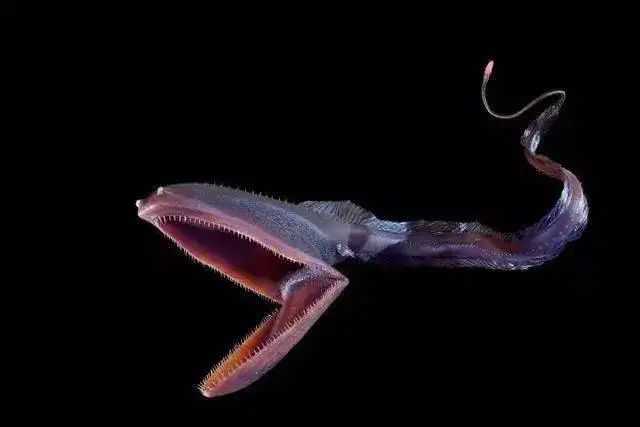
The Gulper Eel: Deep-Sea Predator with a Gargantuan Appetite

Dwelling in the abyssal depths, the gulper eel, or Eurypharynx pelecanoides, stands out as one of the ocean's most bizarre creatures. This deep-sea fish, reaching up to 1.8 meters in length, is instantly recognizable by its disproportionately large mouth and an elongated, whip-like tail that makes up three-quarters of its body. Its unusual anatomy defies typical fish morphology, hinting at a unique survival strategy in the harsh underwater environment.

The Majestic Emperors of the Antarctic: Adorable and Resilient

In the harsh, icy landscapes of Antarctica, the emperor penguin reigns supreme as the continent's largest penguin species. Standing at around 1.2 meters tall and weighing between 20 to 45 kilograms, these magnificent birds navigate the frigid waters, feasting primarily on fish and shrimp. Their robust build and unique adaptations allow them to thrive in one of the most extreme environments on Earth.

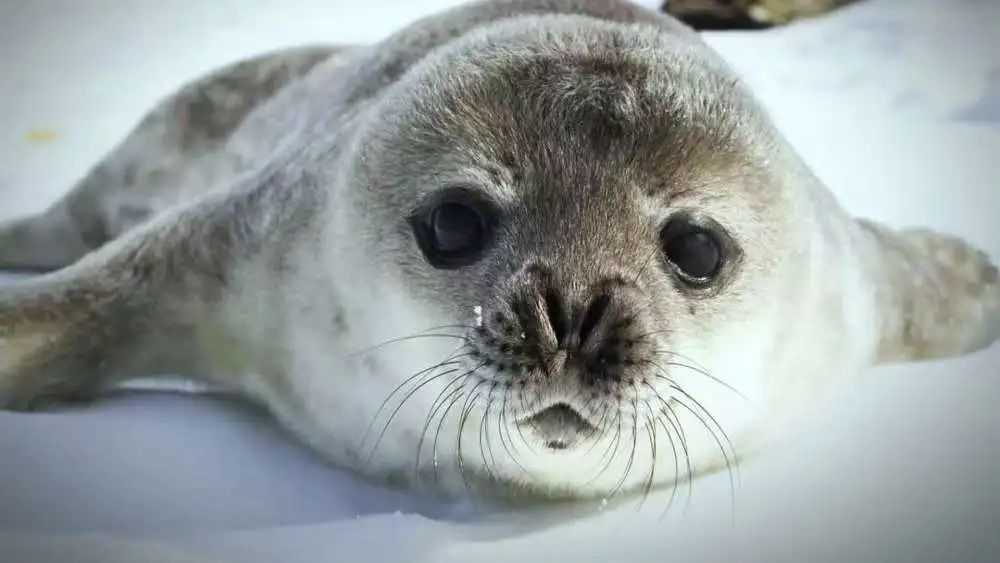
The Enchanting Spotted Seal: A Guardian of Northern Waters

In the temperate seas of the Northern Hemisphere, the spotted seal (Phoca largha) thrives as a charismatic marine mammal. Growing 1.5 to 2 meters in length, this species relies on a diet of fish and shellfish to sustain its life in the ocean’s dynamic ecosystems. As a first-class protected animal in China, it holds a critical place in conservation efforts aimed at preserving marine biodiversity.

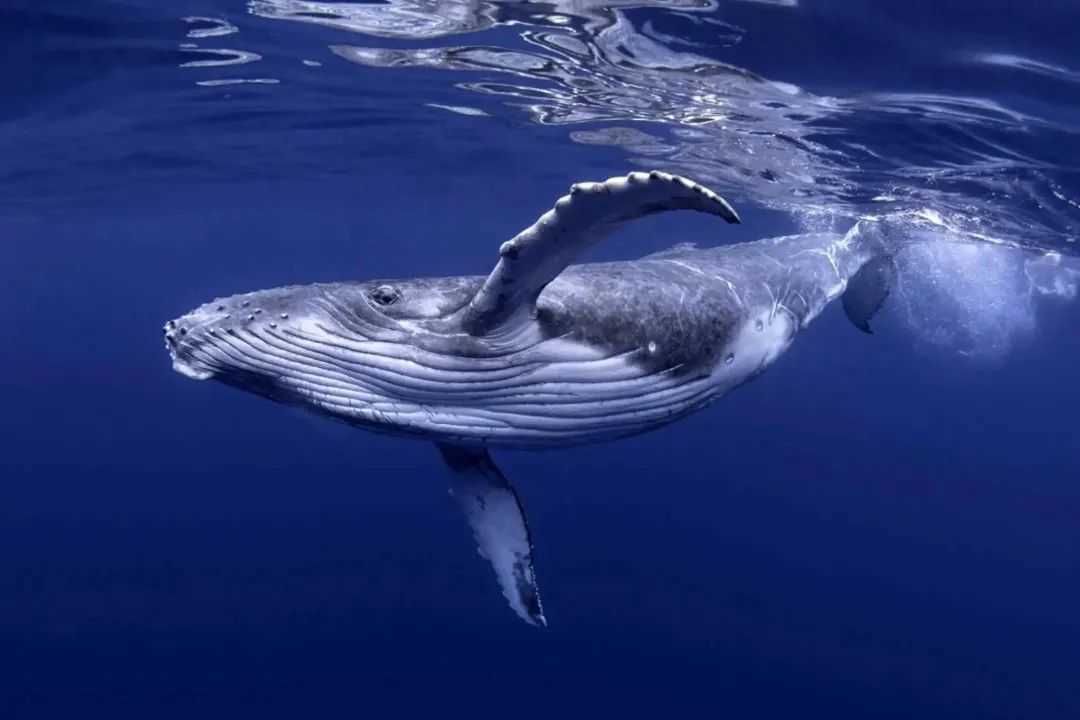
The Magnificent Humpback Whale: Gentle Giants of the Ocean

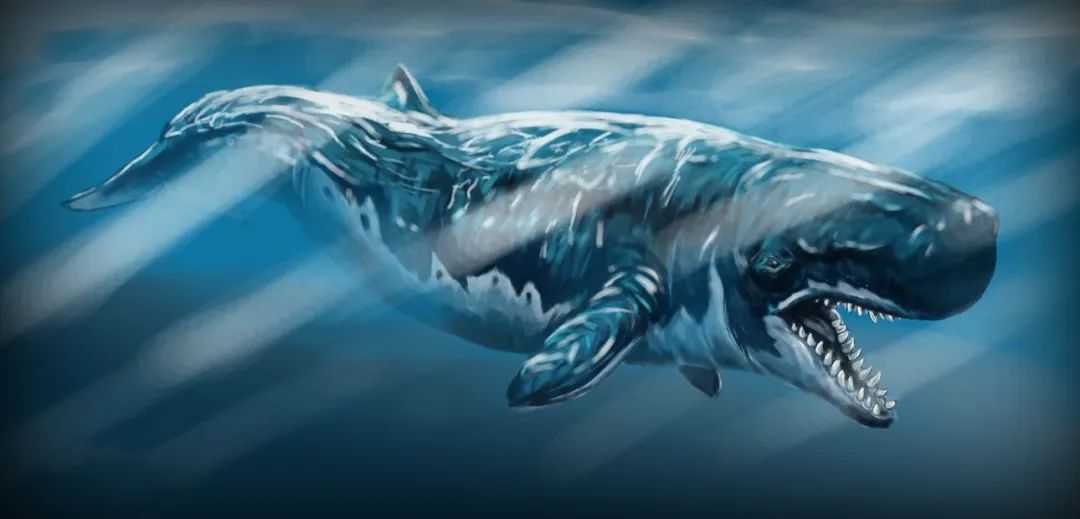
Reaching up to 15 meters in length, humpback whales (Megaptera novaeangliae) are among the most iconic and awe-inspiring creatures in Earth’s oceans. Often speculated to be the inspiration behind the mythical "Kun" — a giant fish-like creature from ancient Chinese legends — these marine mammals command attention with their massive size and distinctive appearance. When floating at the surface, their barnacle-covered skin and rugged features give them the guise of a drifting island, a sight that blends majesty with a touch of primal mystery.

Mosasaurus: The Reptilian Tyrant That Conquered Cretaceous Seas

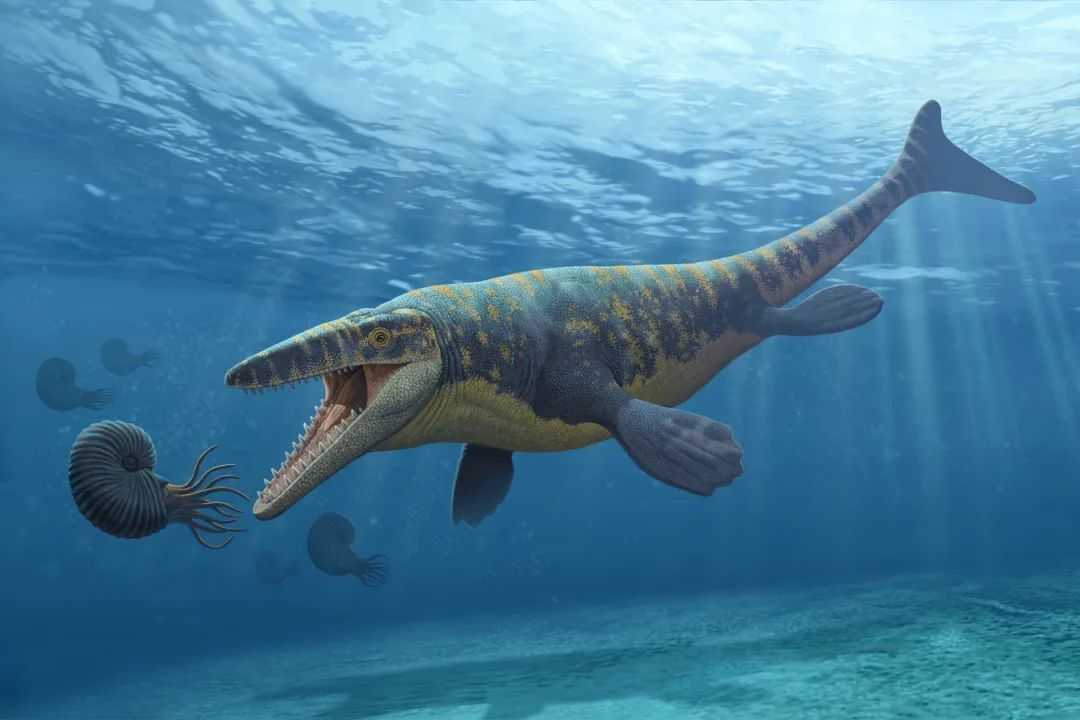
Dominating the oceans during the late Cretaceous period, Mosasaurus stood as a fearsome marine reptile, measuring over 17 meters in length and reigning as the undisputed apex predator of its time. Unlike modern marine creatures, this colossal beast traced its evolutionary roots to small, land-dwelling lizards, a transformation that culminated in one of the most successful oceanic conquests in prehistory.

The Festive Wonders of the Reef: Christmas Tree Worms

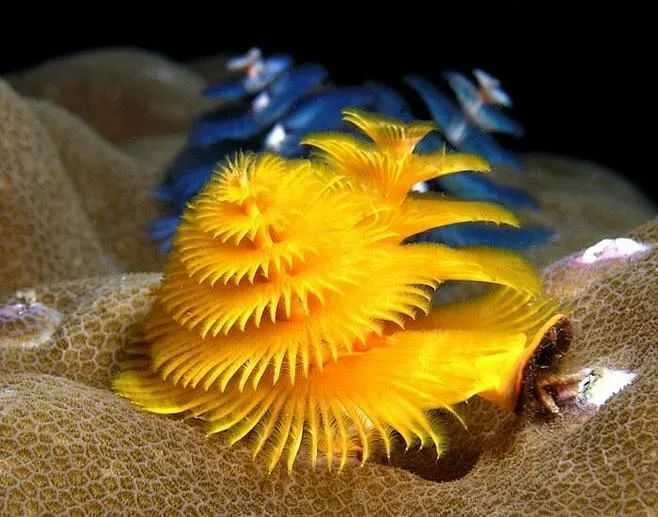
Contrary to their name, Christmas tree worms (Spirobranchus) are not corals but fascinating marine annelids that form symbiotic relationships with hard corals. These tube-dwelling polychaete worms, belonging to the phylum Annelida, are widely distributed in tropical oceans, where their vibrant, spiral-shaped structures add a touch of whimsy to coral reefs. Their common name stems from their striking resemblance to miniature, underwater Christmas trees.

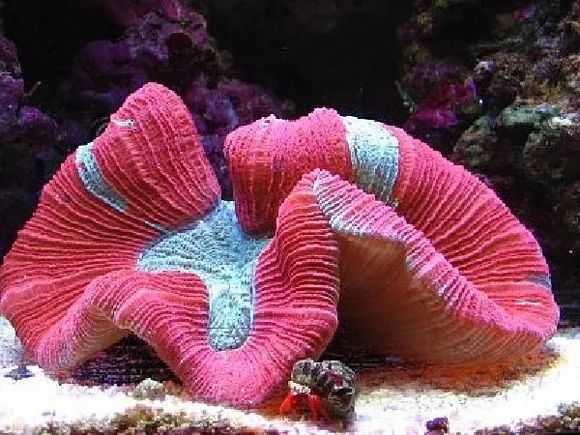
The Alluring Trachyphyllia Geoffroyi: Nature's Underwater Artwork

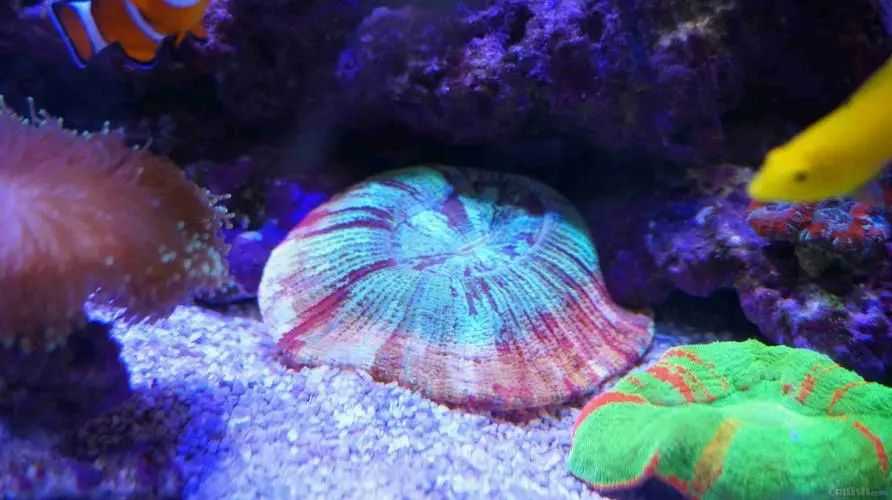
Trachyphyllia geoffroyi, commonly known as the open brain coral or more distinctively, the eight - shaped brain coral, is a captivating species within the Merulinidae family of the class Anthozoa. Predominantly found in the shallow tropical seas of regions like Indonesia, in sandy areas or near reefs, this coral has earned its unique name due to the striking resemblance of its skeleton to the number "8".

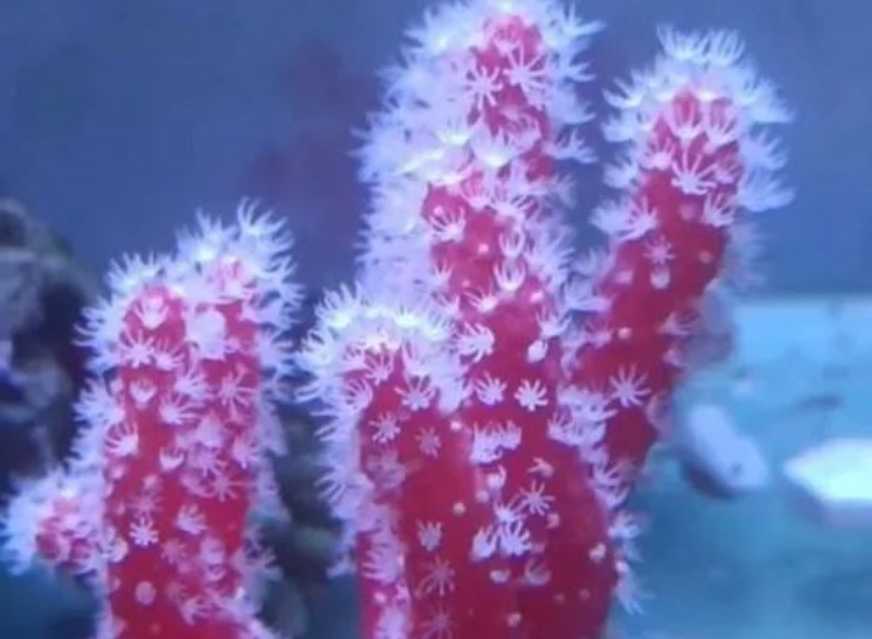
Sinularia asterolobata: The Graceful "Finger Coral" of Tropical Reefs

Sinularia asterolobata, a popular species in the aquarium trade, belongs to the Alcyonacea order within the soft coral family, thriving in the vibrant ecosystems of the Red Sea to the Pacific Ocean. Found in strong-current coral reefs at around 10 meters depth, this marine organism earns its common name from its distinctive morphology: fleshy, rounded structures that resemble a cluster of upturned fingers extending from the ocean floor.

Trachyphyllia geoffroyi: The Living Underwater Masterpiece of the Indian-Pacific

Trachyphyllia geoffroyi, a marine marvel within the order Scleractinia of the phylum Cnidaria, thrives in the reefs and sandy substrates of the Indian-Pacific Ocean. Capable of growing up to an astonishing 1.8 meters, this coral species captivates with its distinct appearance, earning its name from a striking resemblance to the intricate folds of the human brain. Its unique structure and vibrant hues make it a standout inhabitant of the ocean’s depths.

Squid: The Agile Cephalopods of the Open Seas

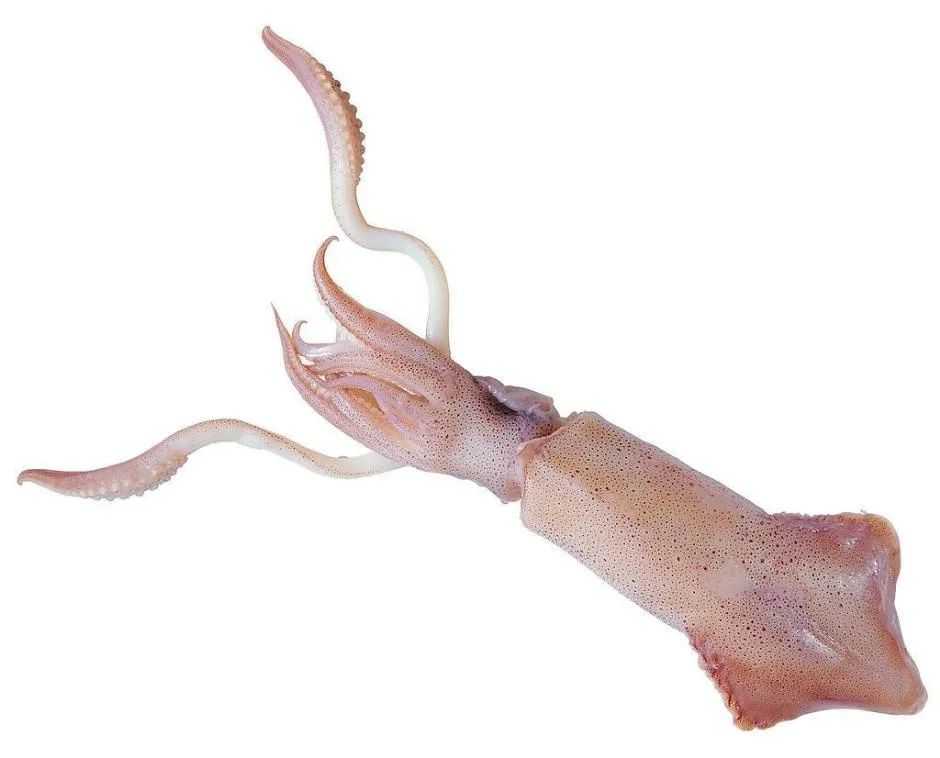
Squid, widely recognized as a popular seafood item, are fascinating marine mollusks belonging to the Teuthida order. These soft-bodied cephalopods are characterized by their elongated, torpedo-shaped bodies, ten flexible appendages (including eight arms and two specialized feeding tentacles), and a remarkable ability to navigate the world’s oceans with speed and precision. Found in both shallow coastal waters and the deepest abyssal zones, they play a crucial role in marine ecosystems as both predators and prey.

Pages